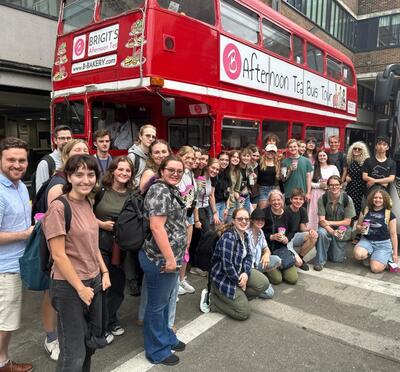
The Design for Social Impact program was created for students interested in applying their degree to broader challenges, and the DSI 415 capstone course offers an opportunity to experience this kind of work as an undergraduate. The class offers hands-on experience with projects for real-world clients focused on solving problems, including nonprofits, businesses and other groups. The Design for Social Impact program is hosted by the Honors College but is open to all Oregon State students.
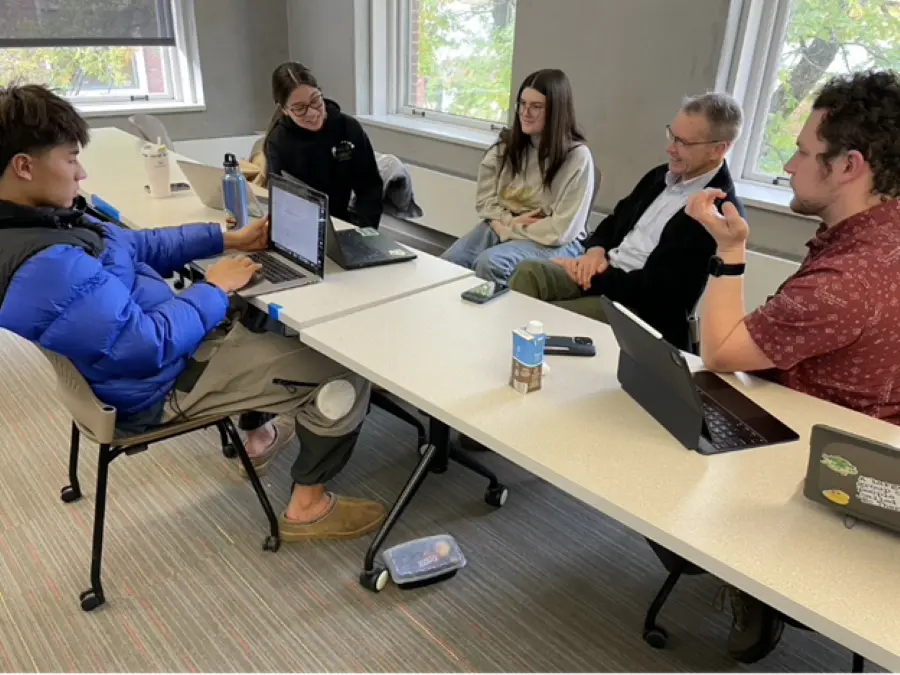
"For students wanting to make a difference, this course connects them with real-life experiences that will make a difference in people's lives," says John Morris, a senior instructor in management in the College of Business and the course leader. "How many times in your discipline do you get to be part of something that has such a positive impact on other's where you're learning in the process?" According to John, students in the fall term section of the course were assigned to one of three cross-disciplinary four-person teams, spanning majors, to work on different projects.
Annie Luse, a third-year computer science major and honors student in the fall term section of the capstone course, was on the accessible fashion team. The team focused on providing information about clothing design for individuals with disabilities and other unique needs. Annie says they "worked on building a website to promote sustainable and accessible fashion." The website continues research and work done by two prior DSI capstone course groups with client Bolanle Dahunsi, a professor in the sustainable apparel lab at OSU. Annie describes the website as being "Reddit, but for accessible fashion." When completed, the website will serve as "a forum and resource for people with disabilities to seek advice and guidance on finding clothing that works for them."
Annie says that planning and coding the website has "included a lot of graphic design work" and has allowed her to apply the "artistic side of computer science." Through the course, she has "learned how to run a team project, work with others and prioritize goals." Annie has also found the project personally meaningful and is excited to complete the accessible fashion website as her honors thesis project under her new thesis mentor Bolanle and to pursue the DSI certificate.
"My Nana needs to buy specific slip-on shoes because she can't reach down to tie them," Annie says. "Accessible fashion impacts so many people, even beyond traditional disabilities. There isn't enough research and resources out there about accessible fashion yet."
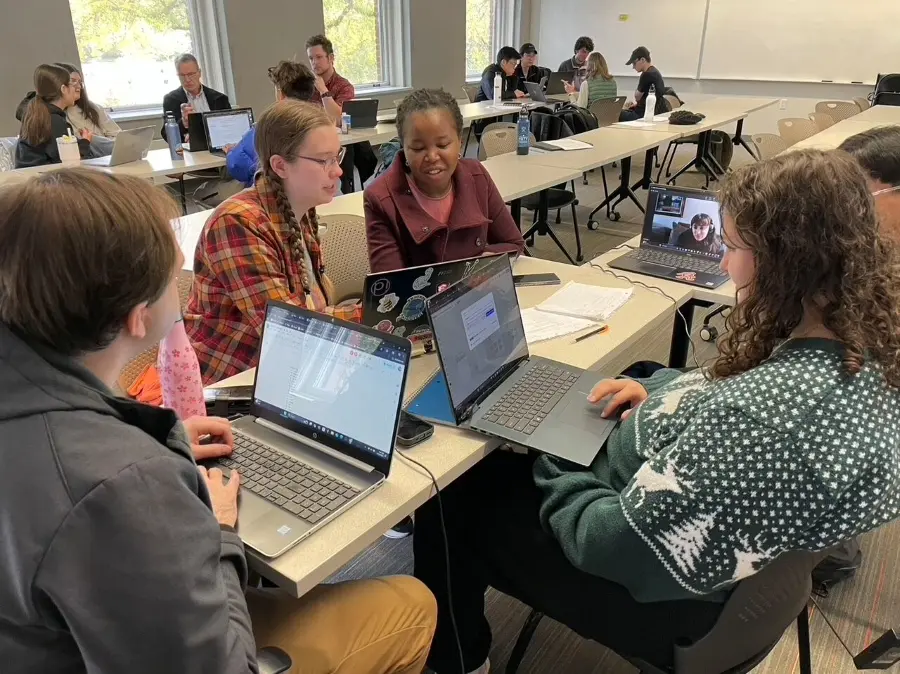
The ARTEx + Hatfield team, another student group, worked with an artist in residence at Hatfields Marine Science Center to design a tsunami-proof interpretive exhibit to communicate climate change. Another team worked with client DayZero, a company that sells UV light driven water purification systems to provide safe drinking water for households in the developing world. Students designed methods to calculate the carbon offset of the purifier to help subsidize production costs.
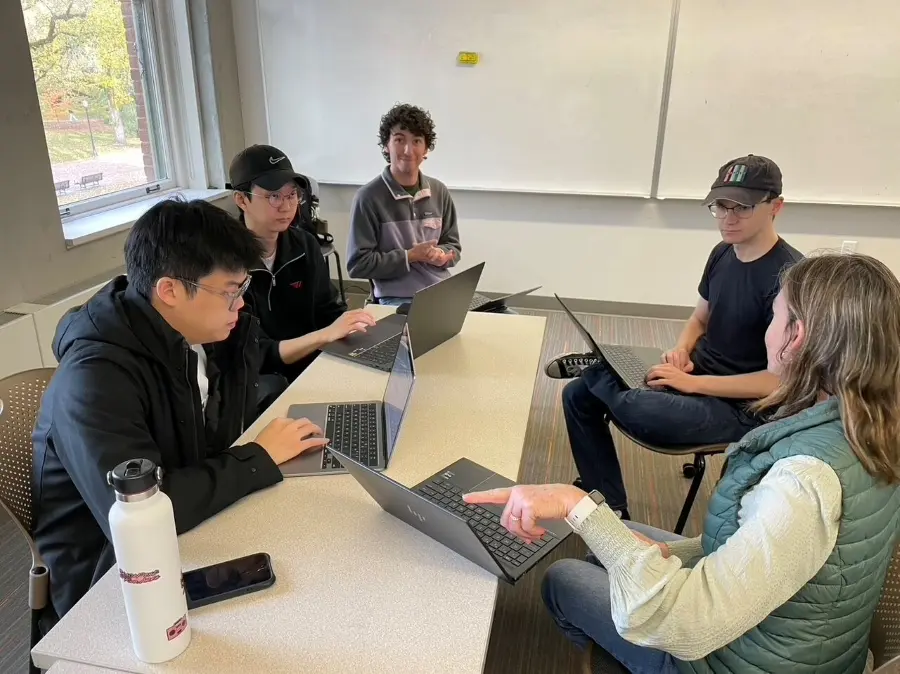
Students - who come from a range of disciplines - begin the course by learning about the SCRUM method, an industry process where groups work in sprints to plan, execute and reflect on their project goals. The course is "hands-on and dynamic" says John. "The SCRUM method guides students' work." Students are assigned to teams, meet with their project's client weekly and work on their projects. According to John, the course has completed eight student-driven projects across three terms and teaches valuable skills.
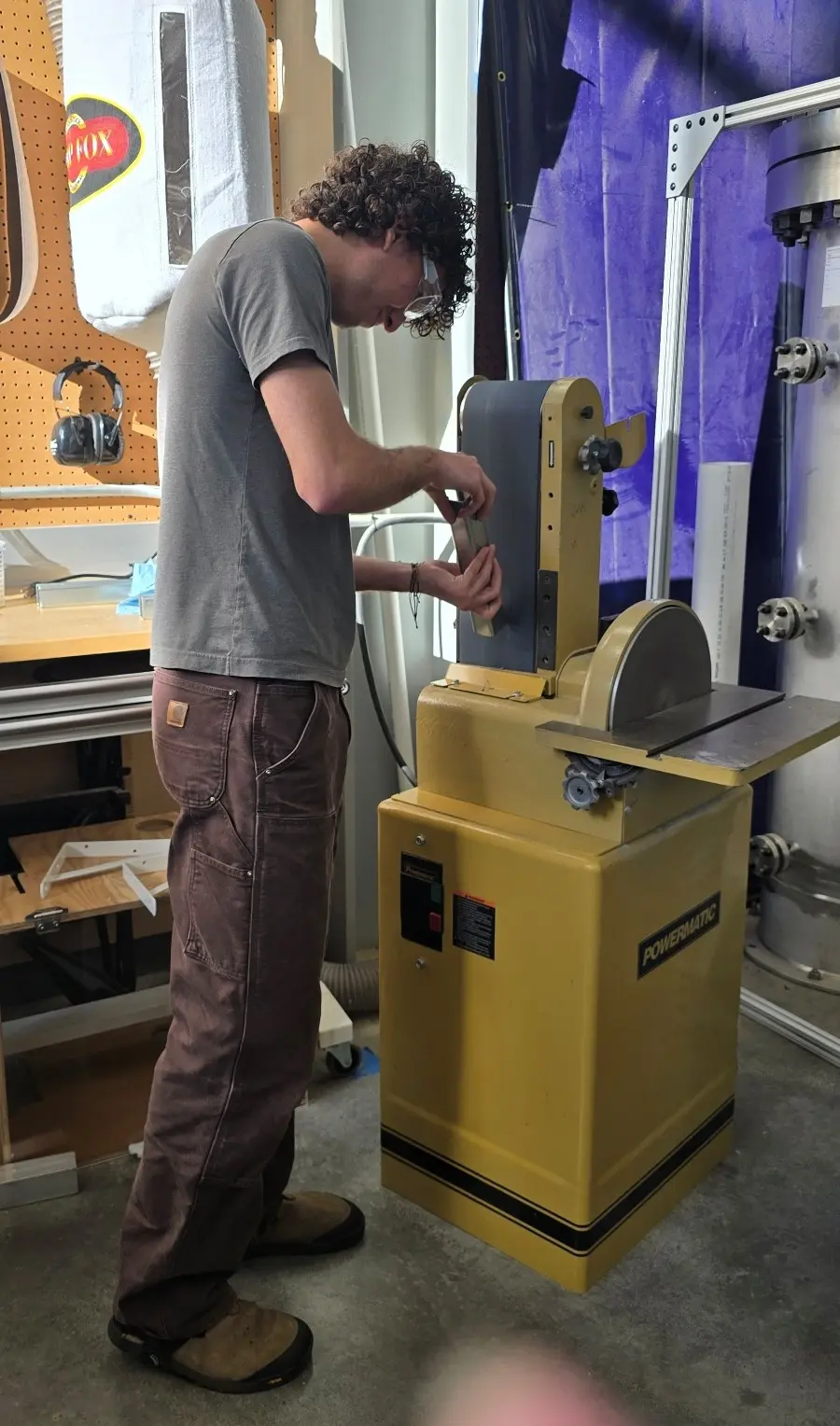
"In academia, we have colleges and programs that can very siloed. But most of the students that I teach are going to work in places where they don't just wear a single hat," says John. "DSI really gives a preview of what it's going to look like to step into a professional role after graduation."
The DSI program offers a 27-credit, transcript visibile certificate focused on providing students with skills to solve problems. According to Julie Tucker, DSI academic director, the certificate - now in its second year - is transdisciplinary, "emphasizing the cross-pollination of ideas across fields to solve problems." Courses meeting the certificate requirements span university departments.
Julie values how the certificate and capstone course provide students with useful skills, connections and the ability to leave a positive mark. "Students want to help people and be a part of something bigger," she says. "The DSI certificate helps students do that while they're still in school, while also gaining experience with project management, working with clients, understanding different perspectives and shaping a project."